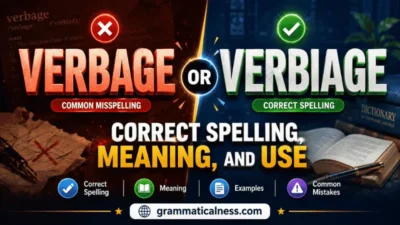
Verbage or Verbiage: Correct Spelling, Meaning, and Use
The correct choice in modern American English is verbiage. The form verbage appears often enough online to create doubt, but it is not the…
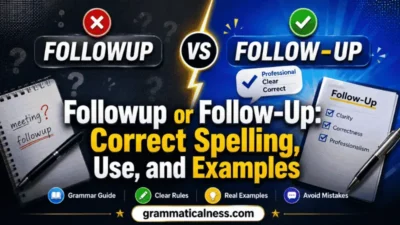
Followup or Follow-Up: Correct Spelling, Use, and Examples
When choosing between followup or follow-up, use follow-up in standard edited American English when the term works as a noun or adjective. The…

Crow or Raven: Meaning, Differences, and Correct Usage Guide
Crow and raven are both correct words, but they do not normally name the same bird. In North American everyday use, crow often refers to the…

Peek or Peak: Meaning, Key Differences, and Correct Usage
Peek or peak can be confusing because both words sound exactly the same. However, they have different meanings and are not interchangeable.…

Hanged or Hung: Key Differences, Rules, and Clear Examples
Both hanged and hung can serve as past forms of hang. However, they usually describe different situations. Use hanged when hanging causes a…
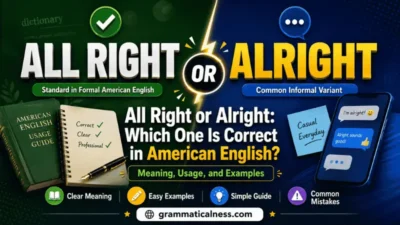
All Right or Alright: Which One Is Correct in American English?
All right and alright usually communicate the same basic ideas. They can describe something as acceptable, say that a person is safe or well,…

Better Than or Better Then: Meaning, Rules, and Examples
A single vowel changes the job of these two expressions. Better than introduces a comparison. Better then does not serve as an alternative…
In Route or En Route: Which Phrase Is Correct in English?
The choice between in route and en route looks difficult because the two expressions can sound nearly identical. In writing, however, they do…
Engrained or Ingrained: Which Spelling Should You Choose?
Both engrained and ingrained appear in English, and both can describe something fixed so deeply that it is hard to remove or change. You might…
Bear or Bare With Me: Meaning, Difference, and Examples
The correct expression is bear with me, not bare with me, when you want another person to be patient. The confusion is understandable. Bear…