


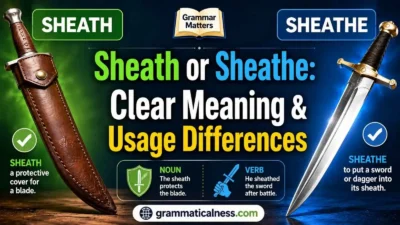
Sheath or Sheathe: Clear Meaning & Usage Differences
The words sheath or sheathe often confuse writers because they look nearly identical and appear in similar contexts. However, their roles in…
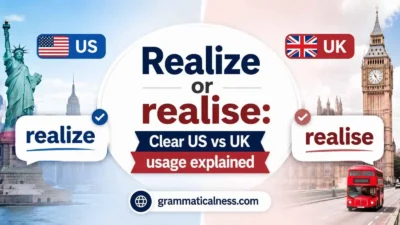
Realize or realise: Clear US vs UK usage explained
The confusion between realize or realise comes down to one main thing: regional spelling differences in English. Both words come from the same…
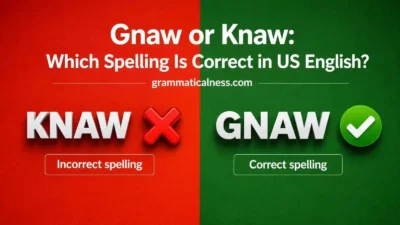
Gnaw or Knaw: Which Spelling Is Correct in US English?
Many people hear the word gnaw and assume it should be spelled knaw. The confusion makes sense because the first letter in gnaw is silent.…
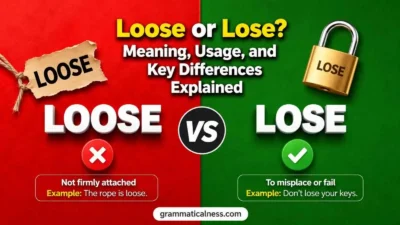
Loose or Lose? Meaning, Usage, and Key Differences Explained
Many people mix up loose and lose because the words look similar. However, they have different meanings and usually play different roles in a…
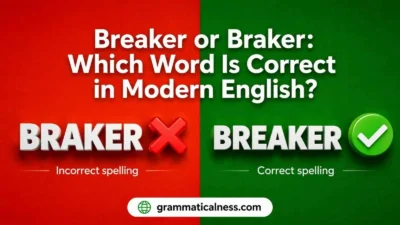
Breaker or Braker: Which Word Is Correct in Modern English?
Many people see breaker and braker and assume they are alternate spellings of the same word. They are not. Although both words exist, they are…
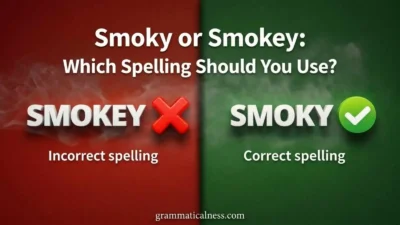
Smoky or Smokey: What’s Correct in American English?
People often wonder whether the correct spelling is “smoky” or “smokey.” The confusion is understandable because both forms appear online, on…
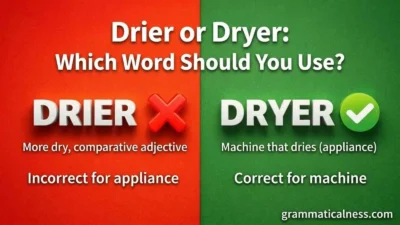
Drier or Dryer: Which Word Should You Use?
Many people mix up drier and dryer because the words look almost identical. In some situations, both are technically correct, but they are not…
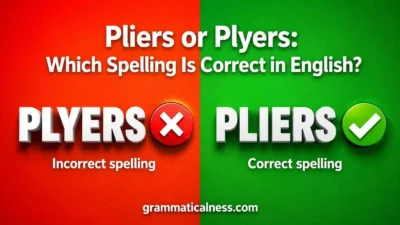
Pliers or Plyers: Which Spelling Is Correct in English?
The correct choice is pliers. Use pliers when you mean the hand tool people use to grip, bend, twist, pull, or cut small objects. Although…
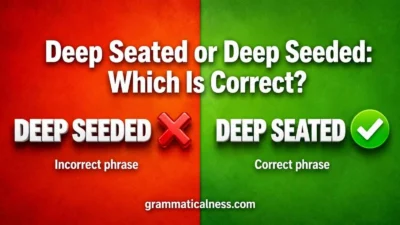
Deep Seated or Deep Seeded: Which Is Correct?
If you are choosing between deep seated or deep seeded, use deep-seated in standard writing. Writers sometimes type the phrase without the…
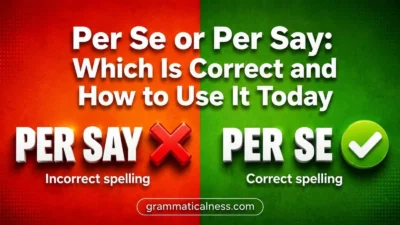
Per Se or Per Say: Which Is Correct and How to Use It Today
Per se is correct. Per say is not the standard phrase. Use per se when you mean “by itself,” “in itself,” or “considered on its own.” For…