


Mistakenly or Mistakingly: Which One Is Correct in US English
The correct choice is mistakenly. Use mistakenly when you mean “by mistake,” “in error,” or “because of a wrong belief.” Mistakingly may look…
Freshman or Freshmen: Correct Usage, Meaning, Examples
Freshman and freshmen are both correct, but they are not used the same way. The choice depends on number and sentence role. Use freshman for…
Poopy or Poopie: Which One Is Correct?
The better default choice is poopy. Use poopy when you mean something is dirty with poop, smells like poop, or feels unpleasant in a silly,…
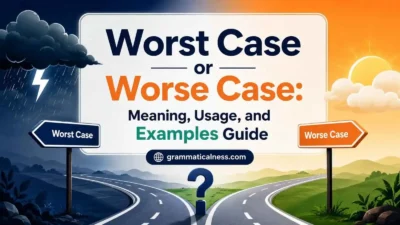
Worst Case or Worse Case: Meaning, Usage, and Examples Guide
The usual correct phrase is worst case. Use worst case when you mean the most negative possible result. For example: “In the worst case, we’ll…
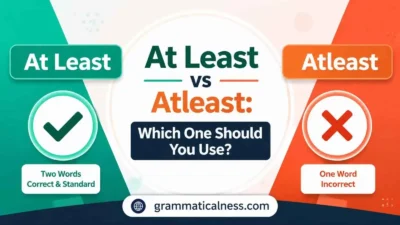
At Least vs Atleast: Which One Should You Use?
The difference between “at least” and “atleast” might seem subtle, but it’s important to understand the proper usage…
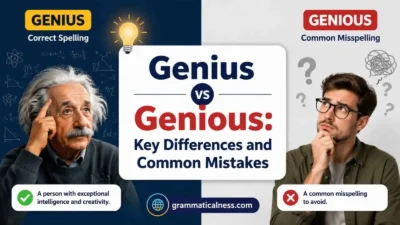
Genius vs Genious: Key Differences and Common Mistakes
In English, words that seem similar can sometimes be confusing, especially when they sound alike but differ in spelling and meaning. Two such…
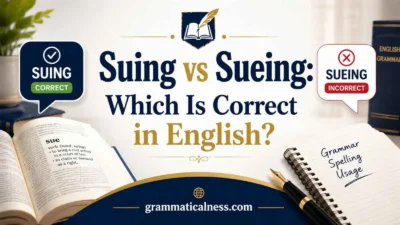
Suing vs Sueing: Which Is Correct in English?
The terms “suing” and “sueing” are often confused, leading to a common debate about which one is the correct form to…
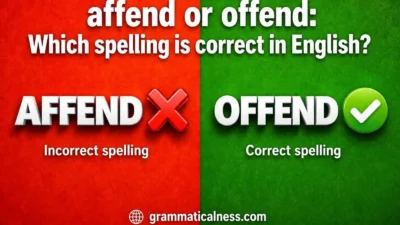
affend or offend: Which spelling is correct in English?
The correct choice is offend. affend is not a standard word in US English. It is usually a misspelling of offend. Use offend when you mean to…
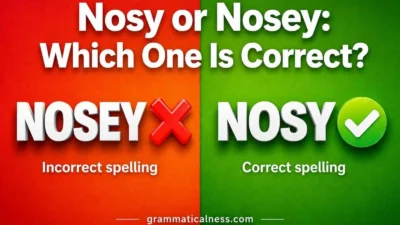
Nosy or Nosey: Which One Is Correct?
Nosy is the better choice in American English. Use nosy when you mean “too curious about other people’s private business.” Nosey is not a…
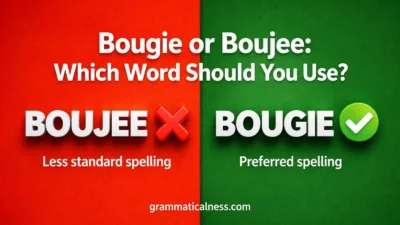
Bougie or Boujee: Which Word Should You Use?
Bougie is the safer default spelling in most US writing. Boujee is also used, but it feels more casual, trendy, and tied to music, captions,…